Color appearance phenomena
Color constancy
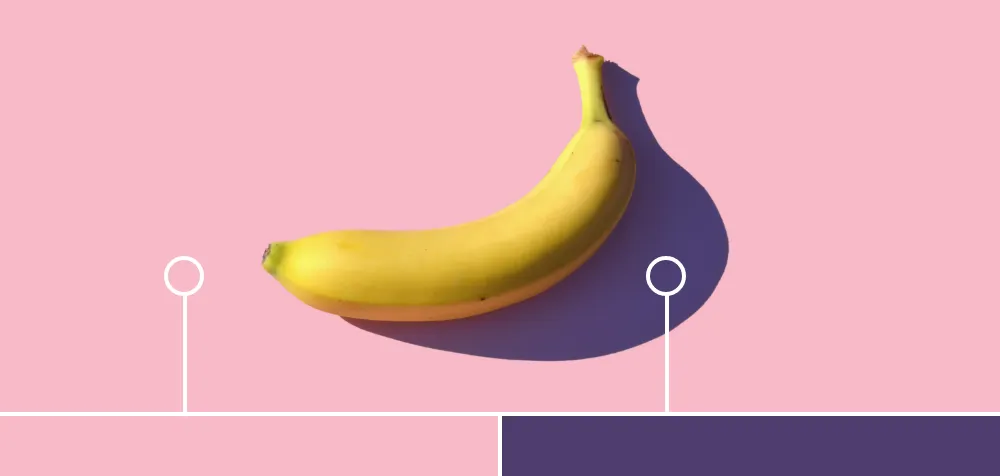
The ability to identify consistent color of objects in varying lighting conditions.
Examples
Checker shadow illusion
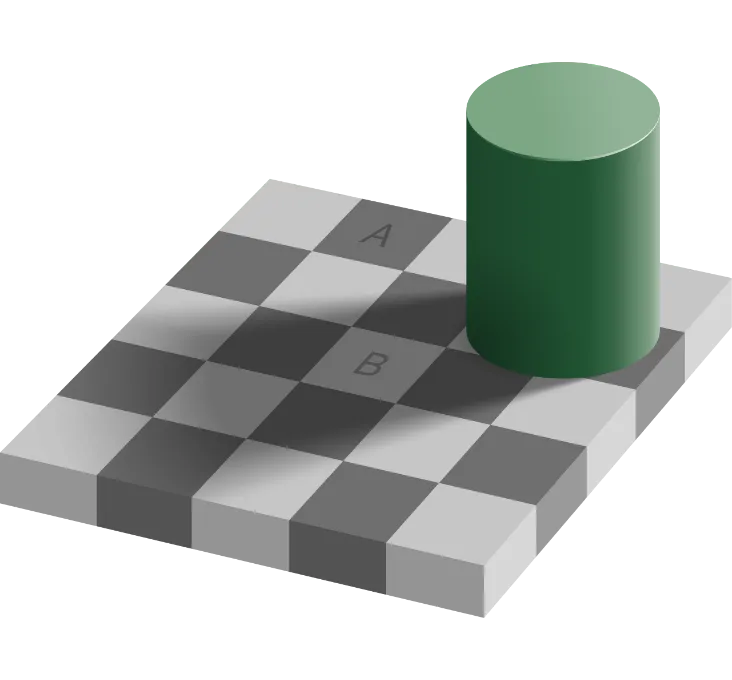
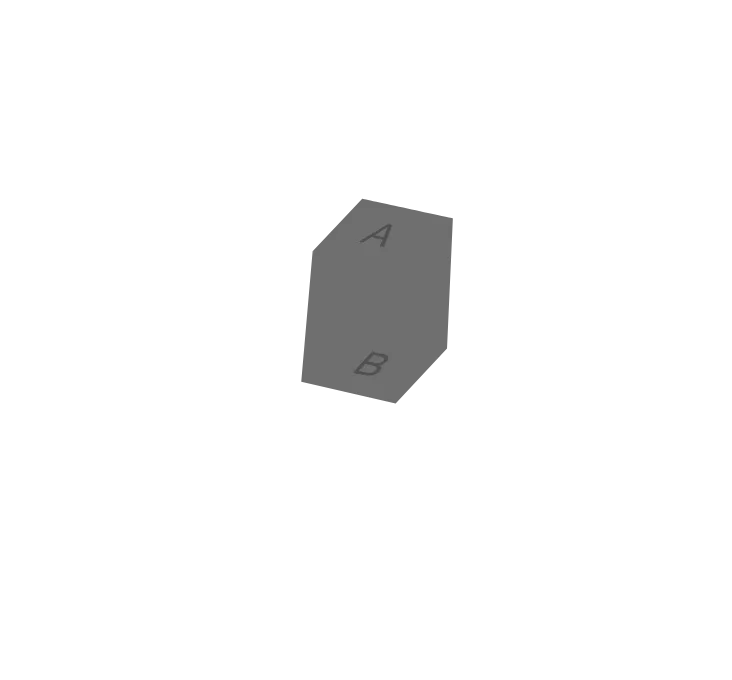
This illusion demonstrates an error in identification of a color's lightness due to surrounding colors. Squares A and B appear to be different, however they are the same color.
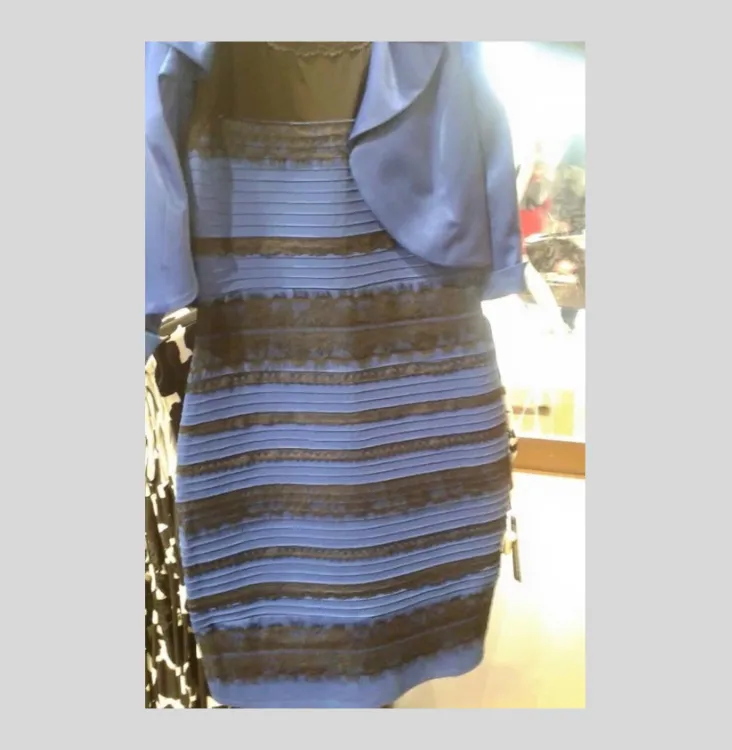
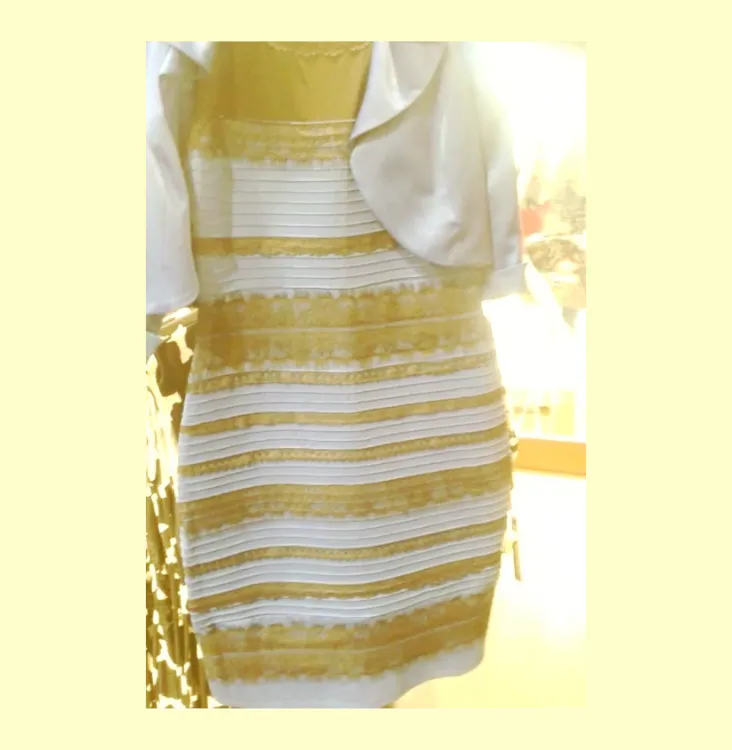
"The dress"
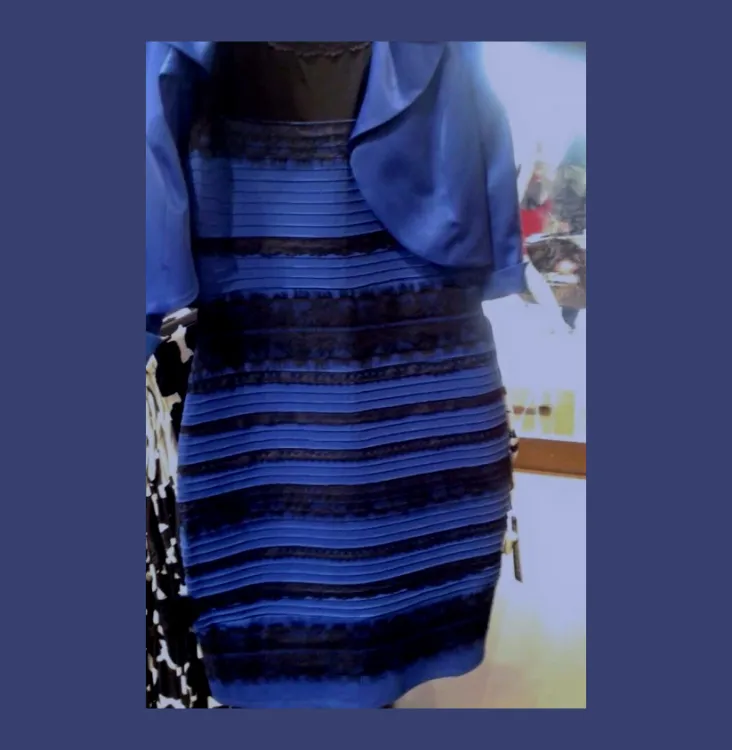
This illusion is the result of improper color identification due to chromatic adaptation, or color constancy, and is known as "chromatic bias". Based on viewing conditions, or surrounding light, the dress may appear to be blue and black or white and gold.
How it affects UI design
Colors of different hue can be placed adjacently and appear to be objectively the same. Two-tone coloration of neo-brutalist buttons is a good example of this.
Related topics
Sources:
- Mark D. Fairchild (2013). Color Appearance Models. 3rd edition. John Wiley & Sons, Ltd. Pages 26-27
Pages 140 of this book literally say color constancy does not exist.